Social Media Learnings: What a Social Customer is Not

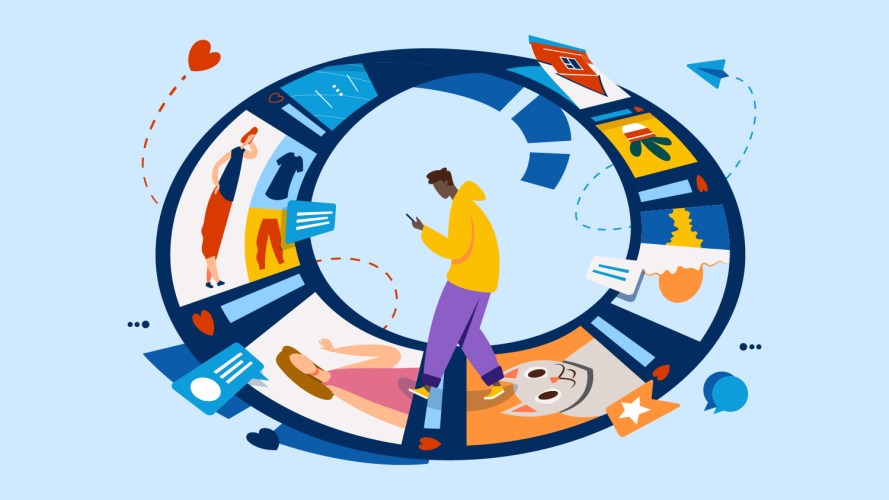
The mindset of customers is changing. No longer are they listening to what brands are telling them. They are taking control and actively researching before making decisions. They recognize that social media is the new library for insights into products and services, and are using it to verify and make purchasing decisions. These “social customers” are playing a stronger role in the destiny of the sales funnel. What can brands do about it?
First, we must get a better understanding of this customer. What are they all about? Painting a picture of their mindset enables us to learn who they are and how to please them. So let’s think about this: What are they not?
A social customer is not just on Facebook. Social customers are using multiple outlets to research, share and shout. Some have their own blogs, favorite forums and Twitter chats. Using a social listening tool enables you to get a handle on the overall chatter, no matter where it’s coming from.
A social customer is not emotionless. As Michael Brito shares in his blog, they can be happy with your brand one moment and competitive the next. While factors such as mood and what they’re reading can influence the social customers’ emotional state, providing good customer service will help keep them positive.
A social customer is not uneducated. These customers are listening and learning. They research information online and engage on social media to gather information. At the same time, they are not scholars either. Brands can join them in their journey to make the right purchasing decisions together.
A social customer is not talking to themselves. Their voice, research-filled mind and passion can surely influence others. This applies to both customers who are brand ambassadors and detractors. Get to know these customers. Reward ambassadors and change the mind of detractors.
A social customer is not a spectator. Social media is a place for active participation and engagement. These customers are joining conversations, sharing their stories and contributing to help others. That’s why it’s important to have brand ambassadors to spread your positive message in this environment.
A social customer is not owned. While we’d like to get to know and potentially steer the mind of our social customers, they are free spirits. They have minds of their own and emotions to share. At best, we can help them when they need it, engage where they are, and show them your POV. At the end of the day, the customer will make the call.
A social customer is not solely online. As you engage with these customers on the social web, you can start to develop relationships and eventually take the conversation to a more private environment such as email or a phone call. This gets them further down the sales funnel. Just be patient and let them lead.
There are plenty more “a social customer is not…” scenarios and as we look at them, we start to create a persona of this new customer mindset. It’s always morphing and changing but that doesn’t mean you can’t get acquainted. After all, a social customer is not unfriendly.
What other traits of a social customer, i.e. “a social customer is not..” can you think of? How do you foresee them changing in the future? Share your statement here!
Amanda Nelson is a Community Content Manager at Radian6. She is an avid writer, content curator and border collie fanatic. Find her on Twitter at @mileigh13.
Tags: Brand, CRM, Customer relationship management, Customer service, intermediate